




Contents
Wood-burning stoves have become a popular choice for home heating due to their efficiency and the cosy ambiance they provide. But smoke control areas are prevalent across the UK, particularly in urban areas. Major cities like London, Birmingham, Manchester, and others have established extensive SCAs to curb pollution levels.
In these smoke control areas, strict regulations govern their use to protect air quality with hefty fines for breaking them. The UK government is considering further tightening the regulations around SCAs. Proposals include updating the list of authorised fuels and possibly phasing out the most polluting fuels, such as traditional house coal and wet wood.
These proposed changes are currently under consultation, but it’s logical to assume this will continue to expand and to prepare for it coming to your local area.
This guide will help you navigate the requirements and make informed decisions about choosing and maintaining a compliant wood-burning stove.

Understanding Smoke Control Areas
What Are Smoke Control Areas?
Smoke control areas are designated regions where the emission of smoke from chimneys is regulated under the Clean Air Act 1993. The primary goal is to reduce air pollution and protect public health. Local authorities oversee these areas and ensure compliance with the regulations.
Why Compliance Matters
Non-compliance with smoke control regulations can lead to fines and other legal consequences. More importantly, adhering to these rules helps reduce harmful emissions, such as particulate matter (PM2.5), which can have severe health impacts.
Choosing the Right Stove for Smoke Control Areas
Types of Stoves
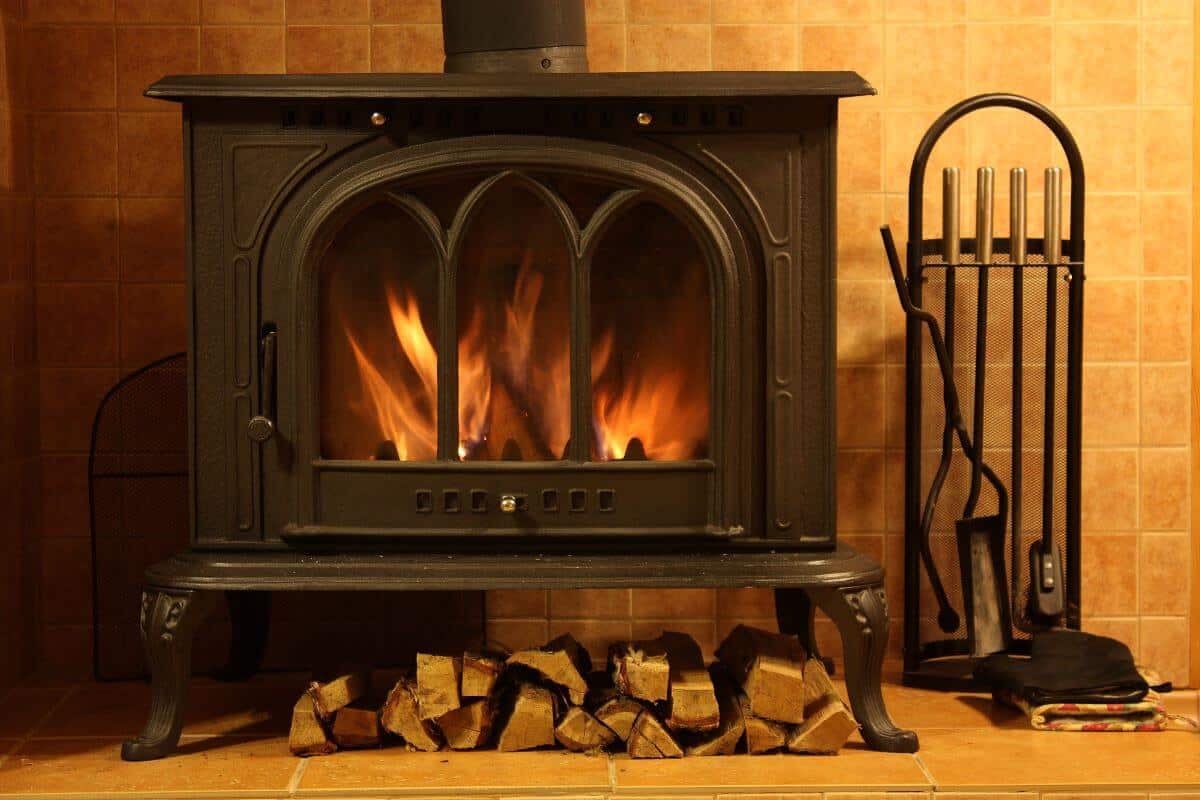
DEFRA-Approved Stoves: These stoves meet specific emission standards set by the Department for Environment, Food & Rural Affairs (DEFRA) and are approved for use in smoke control areas. They burn fuel more efficiently and produce fewer pollutants.
EcoDesign and clearSkies Certified Stoves: These certifications indicate that a stove not only meets but exceeds current emission and efficiency standards. EcoDesign stoves are particularly noteworthy for their low environmental impact.
Key Features to Look For
- Emission Control: Look for stoves with advanced emission control technologies to minimise pollutants.
- Efficiency Ratings: Higher efficiency ratings mean better fuel economy and lower emissions.
- Fuel Compatibility: Ensure the stove is compatible with the type of fuel you intend to use, such as dry wood or smokeless fuel.

Fuel Choices and Best Practices
Approved Fuels
In smoke control areas, only certain fuels are allowed. Look for dry wood with the Ready to Burn logo, which indicates moisture content below 20%. Smokeless fuels are also a good option for minimising emissions.
Storage and Handling
Proper storage of wood is crucial. Store wood in a dry, well-ventilated area to reduce moisture content. Always handle fuels safely and follow the manufacturer’s recommendations.
Installation and Maintenance
Proper Installation
Professional installation by a qualified engineer, such as those registered with HETAS or OFTEC, ensures your stove operates safely and efficiently. Correct installation also maximises the stove’s performance and longevity.
Regular Maintenance
Regular servicing and maintenance are essential. This includes annual chimney sweeping and checking for any wear and tear. NVQ-qualified chimney sweeps are recommended for these tasks.

Environmental and Economic Benefits
Reducing Your Carbon Footprint
Using a DEFRA-approved or EcoDesign stove helps reduce carbon emissions. These stoves burn fuel more completely, producing less smoke and harmful particulates.
Cost-Effectiveness
While the initial investment in a compliant stove can be higher, the long-term savings on fuel and potential avoidance of fines make it a cost-effective choice. Efficient stoves also reduce heating costs by maximising the energy output from each log or pellet.
Conclusion
Selecting the right wood-burning stove and adhering to best practices is crucial for compliance and environmental stewardship. By choosing DEFRA-approved or EcoDesign stoves and using high-quality, approved fuels, residents in SCAs can enjoy the benefits of wood-burning stoves while minimising their environmental impact. This guide provides the essential information needed to make informed decisions, ensuring a warm home and cleaner air.


