




Contents
- 1 - What is Portuguese Architecture?
- 2 - Understanding the Portuguese Golf Resort Aesthetic
- 3 - DIY Projects to Create a Golfer’s Retreat at Home
- 4 - Eco-friendly DIY Projects Inspired by Golf Courses
- 5 - Smart Home Upgrades for the Avid Golfer
- 6 - DIY Tips Bringing Portuguese Flair into Your Home
- 7 - Conclusion
If you’ve ever had a taste of Portuguese outdoor living, then there’s no doubt you’ve been impressed by the architecture and styles associated with housing and hotels.
If like me, you are a fan of Portuguese golfing breaks, then you’ll be at home with the serene and opulent style of luxurious Portugal golf resorts and want to emulate that in your home or holiday villa.
There is plenty of unique DIY inspiration for substantial and stylish home improvements based on Portuguese style. This article dives deep into how the elegant living standards of golf resorts in Portugal can inspire home improvement projects, blending leisure with luxury.
What is Portuguese Architecture?
Portuguese architecture spans several styles shaped by historical and cultural shifts. The Romanesque style of the 11th to 13th centuries features fortress-like buildings with rounded arches.
The Gothic period introduced pointed arches and intricate stonework, seen in the Monastery of Batalha.
The Manueline style, unique to Portugal’s Age of Discoveries, includes ornate maritime motifs found in the Jerónimos Monastery and the Tower of Belém.
The Renaissance brought symmetry and classical influences, while the Baroque period, epitomized by the Palace of Queluz, introduced dramatic elegance.
The 19th century saw a revival of medieval styles in constructions like the Pena Palace, the blends Gothic, Manueline, Moorish, and Renaissance elements
The 20th century marked the introduction of Modernism, which brought a mix of modernist and contemporary styles to Portuguese architecture, with buildings like the Casa da Música in Porto, designed by Dutch architect Rem Koolhaas, showcasing modernist influences with a unique angular form.
This evolution showcases Portugal’s rich architectural diversity, deeply intertwined with its cultural history.
Understanding the Portuguese Golf Resort Aesthetic
Portuguese golf resorts are renowned for their refined aesthetics, featuring spacious layouts, abundant natural light, and a harmonious blend of natural materials. These elements create a tranquil and luxurious environment, ideal for relaxation and enjoyment. The idea is to bring the outside in, which also aligns with biophilic design principles.
Here are some DIY project ideas on how to implement it in your home.
Maximizing Natural Light
Install large, floor-to-ceiling windows or sliding glass doors,
Start by assessing the wall space, and consult a professional to ensure structural integrity. Choose energy-efficient glass to enhance insulation.
Incorporating Natural Materials
Use materials like natural stone for countertops or reclaimed wood for accent walls.
Source materials from local reclaimed wood suppliers. Prepare surfaces properly for installation, using sealants recommended for maintaining the natural look over time.

DIY Projects to Create a Golfer’s Retreat at Home
We can’t always get to the links, so how about crafting a personal retreat at home that provides the perfect space to relax or enjoy the sport from the comfort of your property.
Mini Putting Green
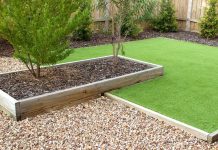
Choose a flat area in your garden, use artificial turf for minimal maintenance, and install with a slight gradient to simulate a real golfing experience. You can also do this indoors at home too, or build a golf simulator.
Sports Bar Setup
Frame the area, install soundproofing, add custom lighting and bar equipment. Include wiring for audio-visual equipment and look at optimal layouts for viewing screens.
Trophy Display
Measure the space, select shelving that complements the home’s décor, and consider lighting to highlight trophies.
Eco-friendly DIY Projects Inspired by Golf Courses
Reflecting the sustainability efforts found in golf course management, these DIY projects focus on eco-friendliness and efficiency.
Rainwater Harvesting
Look at installing a collection system, including gutter modification and storage solutions like water butts.
Water conservation significantly impacts the environment by reducing the strain on municipal water supplies and decreasing the energy required for processing and transporting water. This lowers greenhouse gas emissions associated with energy use.
Sustainable Materials
Using bamboo flooring and recycled glass tiles offers both environmental and aesthetic benefits. Bamboo flooring is a sustainable choice as bamboo grows rapidly, reducing deforestation and providing a durable, eco-friendly alternative to traditional hardwoods. It also has natural anti-bacterial properties and offers considerable strength and water resistance.
Recycled glass tiles help reduce landfill waste by repurposing glass into beautiful, unique tiles for use in homes. These tiles are non-porous and resist stains, mould, and mildew, making them an excellent option for kitchens and bathrooms. Both materials not only contribute to a healthier environment by minimizing the impact on natural resources but also add a modern, stylish look to any space.
Smart Home Upgrades for the Avid Golfer
Who doesn’t love some modern efficiency? Integrate smart home technology to enhance comfort, convenience, and energy efficiency, mirroring the sophisticated setup of a luxury resort.
Smart Lighting Systems
You can us these to lower lights or even give a sunset colour scheme to replicate playing in the early evening on your new mini green.
Select smart bulbs that are compatible with your home’s existing fixtures and your preferred smart home ecosystem (like Google Home, Amazon Alexa, or Apple HomeKit). This enables you to connect to Wi-Fi and set up schedules, scenes or routines for different activities.
Climate Control Systems
Climate control systems are integral for maintaining a comfortable indoor environment, they automate the regulation of temperature and humidity within buildings. Again look for compatibility with other smart home systems, especially with your thermostat for heating system or HVAC Units in Europe.

DIY Tips Bringing Portuguese Flair into Your Home
Incorporate elements of Portuguese culture into your home’s décor to capture the essence of its golf clubs and resorts.
Portuguese Tiles (Azulejos)
Here’s a general guide on how to install these ceramic tiles:
Materials Needed
- Portuguese tiles (azulejos)
- Tile adhesive
- Grout
- Notched trowel
- Tile spacers
- Sponge and bucket
- Tile cutter or wet saw
- Level
- Measuring tape
Steps for Application
- Prepare the Surface: Ensure the wall or floor where you will be applying the tiles is clean, dry, and smooth. Remove any wallpaper, loose paint, or debris. For wet areas, like bathrooms, ensure waterproofing measures are in place.
- Plan the Layout: Lay out your tiles on the floor to finalize the design and pattern. This step is crucial for ensuring the desired pattern and for cutting tiles to fit edges and corners. Measure the area to determine how many tiles are needed, considering a small percentage extra for cuts and waste.
- Apply Adhesive: Using a notched trowel, spread the tile adhesive on the surface. Work in small sections to prevent the adhesive from drying out before the tiles are placed. The thickness of the adhesive should follow the manufacturer’s recommendation, typically around 1/8 inch.
- Set the Tiles: Place the tiles onto the adhesive, using spacers to maintain even gaps between them for grout. Press each tile gently but firmly to ensure it sticks to the adhesive. Use a level to check that the tiles are flat and even.
- Cutting Tiles: For tiles that need to fit specific spaces, use a tile cutter or a wet saw to make precise cuts. Always wear safety gear when cutting tiles.
- Allow to Set: Let the tiles set into the adhesive for the time recommended by the adhesive manufacturer, usually 24 hours.
- Apply Grout: Once the adhesive has set, remove the spacers and apply grout between the tiles using a grout float. Wipe off excess grout with a damp sponge. Be sure to choose a grout colour that complements your tiles.
- Cleaning and Sealing: After the grout has dried, clean the surface of the tiles to remove any haze left by the grout. Some types of tiles may also require sealing to protect the surface and enhance their durability.
- Curing: Allow the grout to cure fully, often taking several days, before the area is subjected to regular use.
Tips
Always refer to specific product instructions for the adhesive and grout you are using.
Consider the wear and environment where the tiles will be installed. Some azulejos are better suited for walls rather than floors due to wear resistance.
For complex patterns or large installations, consider hiring a professional, especially for intricate designs or in high-moisture areas.

Coastal Colour Schemes
Traditional Portuguese colour schemes feature hues that reflect its coastal landscape with various shades of blue, symbolizing the sea and sky, which is extensively used in the famed Portuguese azulejos tiles.
These tiles often combine the blues with vibrant yellows and greens, capturing the sunlit landscapes and lush vegetation of Portugal. White and cream are also prevalent, providing a neutral background that enhances the vividness of accent colours.
This palette is often complemented by terracotta and burnt orange tones, reminiscent of the country’s traditional pottery and the warm earth of the Iberian Peninsula.
Using natural stone tiles can really enhance the appearance of a luxury Portuguese villa.
Conclusion
These DIY projects not only allow you to infuse the luxury and relaxation of the Portuguese golf lifestyle into your home but also provide a fulfilling way to blend your passions for golf and home improvement.


