




Contents
- 1 - Removing Stumps And Trees Safely and Efficiently
- 2 - Assessing the Situation: Determining The Size And Condition Of The Stump Or Tree
- 3 - The Necessary Tools and Equipment
- 4 - Cutting and Removing Small Stumps
- 5 - Digging Out Medium-Sized Stumps
- 6 - Grinding Large Stumps With A Stump Grinder
- 7 - Using Chemical Solutions For Stubborn Stumps
- 8 - Disposing of Stump and Tree Debris
- 9 - Aftercare: Filling The Hole And Restoring Your Garden’s Appearance
- 10 - In Conclusion
Stump and tree removal can be a challenging task for any homeowner, do-it-yourself enthusiast, or green fingered expert, but with the right methods and tools, it can be accomplished without the need for professional assistance.
Let us begin by emphasising the importance of assessing the size and condition of the stump or tree to determine the most suitable removal method. For a large tree you are obviously going to be taking a long time as the root system will be far more extensive and for smaller trees you may be able to remove a tree stump without the need for any power tools, a certified tree surgeon or tons of elbow grease.
We will discuss specific techniques for cutting and removing small stumps, digging out medium-sized stumps, and grinding large tree stumps with a stump grinder. Additionally, the article addresses the safe and efficient removal of trees and the proper disposal of stump, tree roots and tree debris.
Finally, it concludes with guidance on aftercare, including filling the hole and restoring the appearance of your garden. By following this simply, easy and effective guide, homeowners can successfully remove a tree stump manually, enhancing the aesthetics, style and safety of their property.
Removing Stumps And Trees Safely and Efficiently
When it comes to removing trees safely and efficiently, there are several alternative methods to consider. These cost-effective options, which also contribute to eco-friendly solutions, include DIY techniques and natural decay processes.
While professional stump removal services are available, utilising tools and following time-saving tips can help homeowners tackle the task themselves. Just be clear, it’s a tough job and one worth paying someone else to do. One important aspect to consider is preventing regrowth, which can be achieved by thoroughly removing the stump and its roots. By using appropriate safety gear and following proper techniques, property damage can be avoided.
It is also worth mentioning that some chemicals, such as Epsom salt or stump-remover granules, can be used to remove tree stumps and speed up the natural decay process.
Overall, with the right knowledge and tools, homeowners can successfully remove stumps and trees in a safe and efficient manner.
Assessing the Situation: Determining The Size And Condition Of The Stump Or Tree
To effectively remove a stump or tree, it is crucial to first assess the situation by determining the size and condition of the stump or tree. This assessment involves using appropriate tools to measure the stump, evaluating the extent and distribution of its roots, and determining the overall condition of the wood.
Estimating the amount of effort required for removal is important, as it helps in selecting the most suitable stump removal method including tools, time, and costs. Analysing the size of the stump is essential to determine if manual removal is feasible or if professional removal or assistance is necessary. Inspecting the wood for signs of decay is important, as it can affect the ease of removal.
Checking the soil around the stump is essential as thick, clay soils will prove harder to dig through and with some soils, especially in the South and Southwest England you will encounter lots of heavy chalk and flint which will make the process of removing any tree stump much more time consuming.
The Necessary Tools and Equipment
When embarking on the task of removing a stubborn stump from your outdoor space, it is essential to gather a selection of appropriate tools and equipment.
The essential tools for tree stump removal include:
- A mattock
- Spade
- Bow saw or axe
- Ropes or chains (optional)
- A vehicle for assistance if needed
Safety gear is crucial during the removal process and should include:
- Steel-toed boots
- A face shield
- Work gloves
- Safety glasses
Before starting the removal process, it is important to assess the condition of the soil around the stump to ensure it is suitable for removal. The size of the tree should also be considered to determine if manual removal is feasible.

Cutting and Removing Small Stumps
To uncover the roots of the stump, methods such as:
- Digging with a mattock and shovel
- Leave the trunk at a height of at least 2 metres
- Use leverage to rock trunk back and forth
For taproot removal, techniques such as:
- Digging and chopping under the root ball
- Severing the taproot with an axe or bow saw
The first thing to ensure is that, if possible, you leave as much height on the tree trunk as possible, in most case around 2 metres will be enough.
This allows you to use the tree trunk as leverage that you will need in order to expose the taproot. Trust us on this one as the more trunk you leave the easier it will be to remove the whole stump, and this also applies to larger trees.
To remove the small stump manually, and once you have all your protective gear on, you can start by digging around the stump with a mattock and spade. Expose the roots using a spade and broad end of the mattock in a circle from the trunk, going as wide as possible as the roots would have spread out over the years.
We recommend at least a metre wide from the tree trunk as this will make the extraction of the taproot much easier and quicker at the latter stages.
Once you have exposed the majority of the tree’s roots you can start to sever any visible roots with the fat sharper, thinner edge of the mattock or bow saw.
Depending on the tree you are attempting to remove will determine the amount and propensity of roots. A small birch or ash will have moderately large and defined roots of variant sizes, whereas a conifer for instance will have a large amount of small, fibrous roots that are harder to cut through.
Once you have managed to dig and chop under the root ball, this will expose the taproot. If you have left a good length of trunk you should then ne able to push the entire stump over, leaving just the taproot to remove.
Finally, sever the taproot with a mattock, axe or bow saw and pull the stump from the hole using your hands, ropes, chains, or assistance from others or even a heavy vehicle.
This method should reveal the entire root system that you remove and dispose of according to current government guidelines. However, not every single root will be freed but this removal method will ensure no further growth.
Digging Out Medium-Sized Stumps
The same preparation methods are going to be used as with a small tree stump.
Using a mattock and spade to dig a large space around the stump, exposing the roots. Severing any visible roots using a mattock or bow saw. Then, dig and chop under the root ball to expose the taproot.
As the root system and root ball will be a larger force you may need assistance from others or even a powerful vehicle such as a 4×4 truck but that should be your last resort in all honesty. It is important to prevent property damage during the removal process and consider seeking professional assistance from a professional, certified tree surgeon if needed.
Grinding Large Stumps With A Stump Grinder
Grinding large stumps can be an efficient and effective method for eliminating the remains of all the roots of a felled tree. By maximising the use of a stump grinder, you can quickly reduce the stump to wood chips and remove it from your property.
For large stumps, we, at the Big Idea entirely recommend that you hire the professional services of a certified tree surgeon, as they have the expertise, knowledge, equipment and public liability insurance to handle the job safely and efficiently.
If you are considering using a stump grinder, it is important to take safety measures, such as wearing protective clothing, eyewear, safety boots and following proper operating procedures.
In terms of cost-effectiveness, renting a stump grinder can be a more affordable option compared to hiring a professional company. Additionally, stump grinding is an environmentally friendly approach to stump removal, as it reduces the need for chemical solutions or burning.
Warning: This is not an easy process for an untrained professional and should only be undertaken with the correct knowledge, skills and health and safety requirements taken fully into account.

Using Chemical Solutions For Stubborn Stumps
There are times when digging out small and medium-sized stumps manually is very difficult and therefore there is another approach to stump removal involves the use of specialist chemicals.
There are surprisingly eco-friendly options provide DIY solutions that may be difficult to remove manually. By utilising natural decay processes, a tree stump removal product can aid in breaking down the wood fibre over time.
These non harsh chemicals, such as potassium nitrate, help prevent regrowth by targeting the roots and ensuring complete removal. This makes them particularly useful for removing deep-rooted stumps that may be challenging to extract manually.
This method is not the quickest way to removing a tree stump of any kind as they take so long to break down the fibres of the tree.
Disposing of Stump and Tree Debris
To properly dispose of the remaining debris after removing an old tree stump, homeowners can explore various options that align with environmentally friendly practices and local and government waste disposal guidelines.
Proper disposal methods include considering the environmental impact of the debris and finding recycling options.
One option is to compost tree debris, which involves breaking down the organic material into nutrient-rich compost for use in gardens or landscaping.
Another option is organic mulch, where the debris is shredded into small pieces and used as a protective covering for plants.
For homeowners who are looking to take a DIY approach, they can invest in a wood chipper to turn the debris into wood chips for various uses.
Additionally, tree trunks can be reused for woodworking projects or as decorative elements in landscaping. including turning them into planters, stools, or even art pieces.
Aftercare: Filling The Hole And Restoring Your Garden’s Appearance
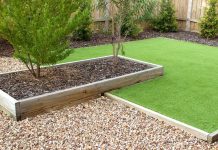
One crucial step in the process involves restoring the appearance of your garden and fill in the hole left behind. After removing the stump and tree debris, it is essential to restore the soil and level the ground to create a visually appealing landscape.
Start by filling the hole with new soil, removing any rocks or debris that may hinder the process. Additionally, adding topsoil and grass seed can help repair any damage caused during the removal process and provide a fertile environment for new growth.
By following these steps, you can successfully restore your garden’s appearance and create a welcoming outdoor space.
In Conclusion
Homeowners have a variety of methods available to remove stumps and trees from their property. By assessing the size and condition of the stump or tree, gathering the necessary tools, protective gear and equipment, and taking safety precautions, the removal process can be done efficiently and effectively.
Whether it’s cutting and removing small stumps, digging out medium-sized stumps, or grinding large stumps with a stump grinder, or using a chemical stump remover homeowners can choose the method that best suits their needs.
Disposing of the debris and taking care of the aftercare process will ensure a well-restored garden appearance.


