




Contents
Cleaning and sealing your decking is another one of those jobs you put off and regret not doing sooner but have no fear as no matter how long it has been since the last time you did clean and oil your deck boards we can help you overcome even the most stubborn of stains without breaking the bank or your will.
Working on the presumption you have timber deck boards we will help you to get them back to the way they were one the day they were laid. Whether it is hardwood or softwood the methods are the same and the results will be identical too.
Different Types Of Decking

Hardwood: The most popular hardwoods used are Oak, Teak and Ipe which are extremely durable and moisture resistant. More expensive than most decking timbers but much more cost effective in the long run.

Softwood: The most common of which is pine or rosewood and is the cheaper option. It is pressure treated so will last a few years before it needs to be cared for. Deck boards are usually wider than hardwood alternatives.

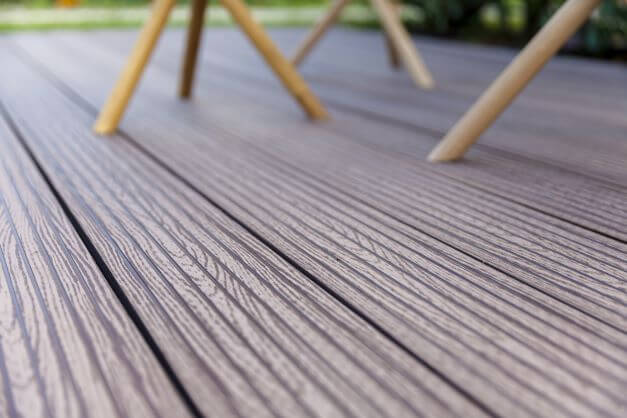
Composite Decking: Has become so popular in recent years as is advertised as slip and maintenance free. The boards are made from a mixture of crushed wood and plastics it has the longest lifespan of the three products but is expensive to purchase and install.
What Happens If I Do Not Maintain My Decking Boards?
As with all maintenance jobs, the longer you leave it the harder it becomes, and the longer you leave it the more damage can be done. Timber, if left out in the open will eventually perish and rot no matter how much treatment it has had from the manufacturer.
If uncared for the wooden decking options such as softwood and hardwood can rot and need replacing which can prove to be expensive and time consuming.
Composite decking has a 25-year lifespan but contrary to popular belief it is not maintenance free as it does need to be cleaned in order to remove some stains and algae.
Elbow Grease Method
As in manually scrubbing your decking boards as opposed to using machinery. All you need is the following:
- Warm soapy water (washing up liquid)
- Decking cleaning solution (optional)
- Stiff bristled broom
- Bucket/watering can
- Garden hose
- Decking Oil
- Long bristled paint brush
- Long haired roller (optional)
This is a tried and tested method that will suit anybody regardless of how dirty your deck is and can be used on materials mentioned above.
Simply mix up warm soapy solution into a bucket or watering can (I prefer the watering can as it spreads more evenly) and pour over the deck and scrub away until stains are removed. This will remove most stains and all algae or moss build up.

Hard to remove stains such as grease or oil will definitely need a specialist deck cleaning solution Ronseal Decking Cleaner Clear 5Ltr | Decking Cleaner | Screwfix.com such as this one which has some great reviews but is not as cheap as the soapy water solution but as with most cleaning solutions will contain some chemicals so please read the label before use.
Top Tip: Only use soap and water on composite deck boards as chemicals are not advised.
Once you have scrubbed away at all of the grime you can then simply wash it off with a garden hose or buckets of clean, warm water ensuring that you remove all traces of either soapy water of cleaning solution.
The decking will now be left to dry as this is totally dependent on ensuing weather conditions, but the boards will need to be dry before applying any of the decking oil.

Pressure Washing
The easiest method and one I have used more than once. If you do have a pressure washer, then this can make the job much easier and quicker but please be aware that it can potentially cause damage to your deck boards if you have the wrong nozzle.
If you only have once lance, then please ensure you do not get too close to the deck as this can cause splintering especially on an already damaged board.
You still use the elbow grease method but as you will be using a pressure washer instead of a hose or buckets of water you will not have to work so hard.
The pressure washer will remove even the most stubborn of stains, but you may need some form of solution if the stain is old and is oil based. One thing to be aware of is the amount of debris that will be generated by the power washing, so be careful in areas where there are windows and plants.
Again, you must leave the decking boards sufficient time to dry before the next stage. I would leave at least three dry days with no rain to ensure the boards are ready for the decking oil.
Top Tip: Do not use a pressure washer on composite decking boards.
Sealing The Deck
There is a vast array of decking oils out there so you will be spoilt for choice as to the finish and even the colour but for me I would go for one that is an oil as opposed to a stain as stains have less effectiveness against moisture.
If you have a grooved deck board which is usually found on the softwood timber, then you will need to apply the oil with the long-bristled paint brush as it has to reach down into every groove to be effective. Try to tackle three or four boards at a time with nice, long, even strokes.

If you have smooth decking which is more common on hardwood boards then you can use a long-haired paint roller which will save you time and effort and give a smoother and more even finish.
Leave to dry for up to 4 hours or however stated on the decking oil can and apply your second coat.
You may be tempted to just apply one coat but the second will add more protection and last longer meaning you won’t have to do this again for a while.
Top Tip: Composite decking boards do not need to be sealed with oil.
How Often Should I Reseal My Decking?
On average you should do this every 3-4 years but if the deck is in shade more than in direct sunlight, I would apply a reseal more often and the optimum time of year to do this is late summer or early autumn as it will take less time to dry and give more protection during those harsh winter months.


