





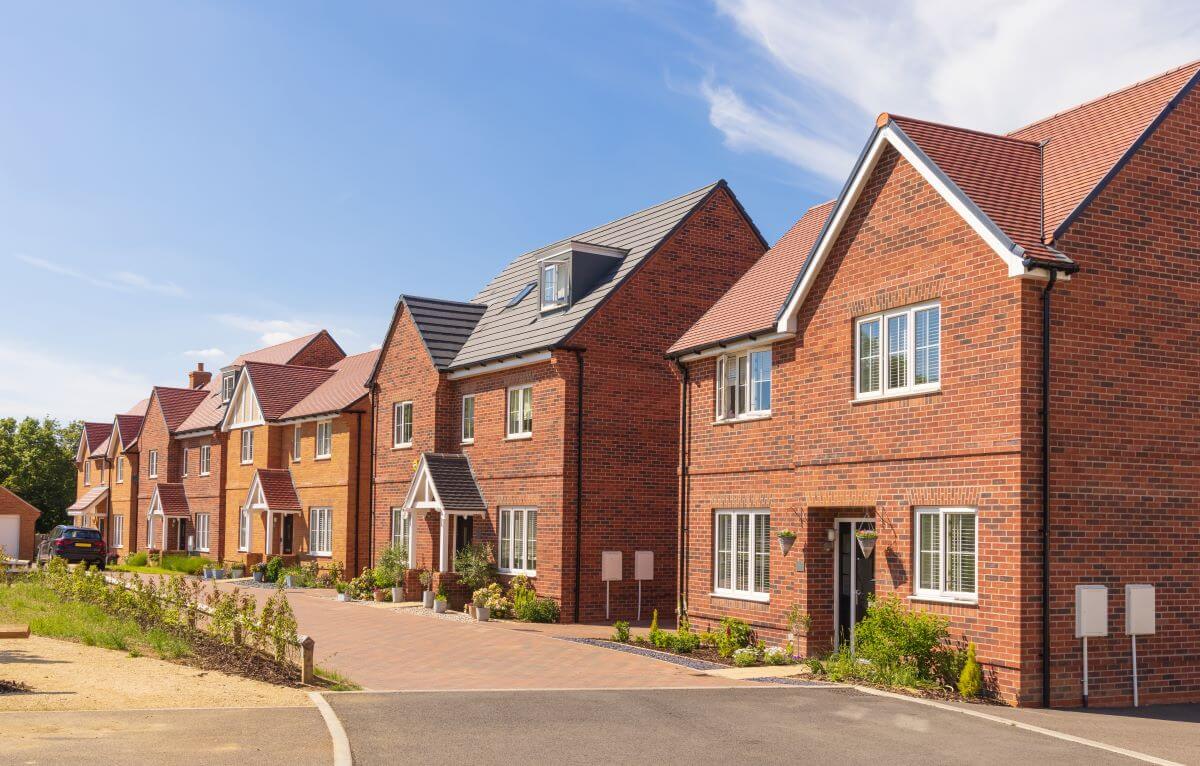
If you’re considering purchasing a home, then you might find yourself confronted by a fairly diverse assortment of options. Houses in the UK come in a variety of shapes and sizes, and what appeals to you will depend on your personal taste and circumstances.
Among the most important factors to consider is the age of the property. In some cases, the idea of moving into a newly built property might be worth considering.
But what are the advantages and disadvantages to consider, here? Let’s assess some of the more common ones.

Buying a New Build
Newer homes are built to modern standards. As such, they tend to be more affordable (not to mention greener) to run. You won’t have to put up with the hassle of a property chain, since there’s no previous owner to worry about. Moreover, you’ll have the peace of mind that comes with a warranty. Around 70% of homebuyers believe that new build homes provide better value for their money due to these warranties and lower maintenance costs.
The plus sides of buying a new build home is it should be decorated to a high standard with modern amenities and fixtures, and ready for people to move in. New builds are also built to high standards with energy efficiency in mind, so that means cheaper bills with the focus on insulation, windows, and heating systems. Approximately 40% of homebuyers prefer newly built homes due to the modern features and energy-efficient technologies they offer.
New-build homes tend to be available wherever you are in the country, although these are often on spare land so not always in an ideal location. The flip side of this, is the new building housing estates often have in-built community aspects as part of the planning application, including schools, shops and doctors surgeries.
There are a few downsides. If you want something brand new, as you might expect, you’ll tend to pay a slight premium plus you may make a down payment early in the building process and be locked in while the developers finish the work. And newly built homes might lack the aesthetic charm of some period properties. But the good news is that you can often apply for government help to buy a new-build home.

Buying an Older House
Older homes have been around, by definition, for longer than new-build ones. As such, you can expect slightly more wear and tear and increased maintenance. Studies show that new build homes have, on average, 30% fewer maintenance issues compared to older houses.
When considering the purchase of an older home, it’s essential to be mindful of potential subsidence cases, a common concern due to the ageing foundations and the natural settling of the ground over time. Subsidence is the gradual sinking of the ground causing a house to settle more than expected, which can lead to significant structural damage if not addressed and can require subsidence repairs which can be expensive depending on severity.
You might have to put in a bit of work to bring a given property up to modern standards and accept that floors won’t be level and ceilings lower. In some cases, you might be faced with planning restrictions that prevent the installation of, say, double-glazed windows.
On the other hand, older homes often have a character that’s difficult to replicate, with quirky features. They come with a history of sale, which makes it easier to see how valuable the investment has been over time. Plus, you’re able to physically visit the property and inspect it prior to purchase – which isn’t always possible if you’re buying a new home before it’s been built. Hopefully there will at least be a show home available for viewings and showings.
You may find more competition with companies and builders who are cash home buyers, with a view to flipping the property with some renovation. But of course new build homes will also attract investors. You might also find that older properties are slightly bigger than newer ones. However, this tends to make them more expensive to heat, particularly if they are not as well insulated. Old build houses also tend to have a bigger outside space and garden.
Make sure that you have the building surveyed before you agree to a purchase, and that you’ve checked for signs of damp and other problems. If you’re concerned, you might even pay a trusted tradesperson to come with you as you inspect the property, or you can ask questions to the current homeowners. Obvious problems will leap out at those who’ve been dealing with buildings professionally. You don’t want to unwittingly purchase a property that’s going to be expensive in the long term.
In truth, there is stress regardless of if you are buying a new build vs buying an older property. As always when house hunting, you need to weigh up which features are the most important to you.


